Rotator Cuff Treatment in Nevada City & Grass Valley, CA
Get back to reaching, lifting, and sleeping comfortably.
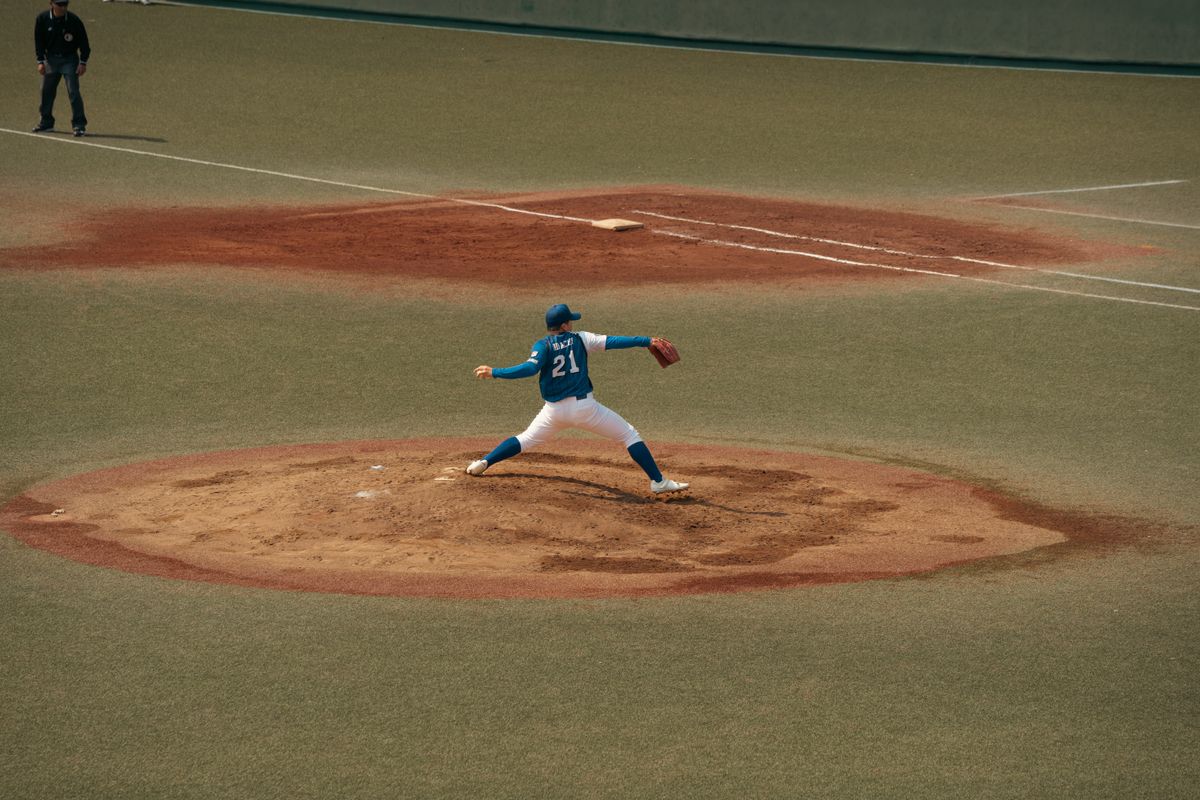 Throwing
 Swimming
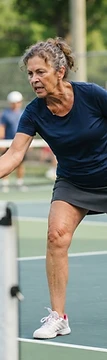 Pickleball
Start with a clearer understanding of the problem
Shoulder pain can make a simple reach feel uncertain and a good night’s sleep difficult. If rest, stretching, or previous treatment hasn’t brought lasting improvement, start with a clearer understanding of the problem.
At Sierra Spine & Fitness, Dr. Craig Roberts, DC combines clinical examination, diagnostic musculoskeletal ultrasound when appropriate, chiropractic and hands-on care, progressive rehabilitation, and selected regenerative therapies. Your plan is built around your shoulder, your goals, and your response to care.
Recognize the symptoms
- Pain reaching overhead or behind your back
- Discomfort lying on the affected side
- Weakness lifting or carrying
- A painful arc when raising your arm
- Difficulty swimming, training, working, or playing pickleball
We evaluate rotator cuff tendinitis and tendinopathy, calcific tendinitis, shoulder impingement symptoms, and selected partial-thickness tears. Similar symptoms may come from the biceps tendon, bursa, joint, or neck. Identifying the contributors helps guide the next step.
Diagnostic certainty before treatment
Your evaluation includes shoulder motion, strength, orthopedic testing, and assessment of the shoulder blade, upper back, and neck. When indicated, in-office ultrasound can help assess the rotator cuff, biceps tendon, bursa, calcific deposits, and certain tears. It also allows selected structures to be examined during movement.
Imaging findings are interpreted alongside your symptoms and examination. If X-rays, MRI, or an orthopedic opinion would answer an important question, we discuss that with you.
Restore comfortable movement
Chiropractic care, joint mobilization, and soft-tissue techniques may address relevant restrictions in the shoulder, ribs, upper back, or neck. Treatment is selected to improve movement and make rehabilitation more manageable.
Rehabilitation progresses from tolerable movement and early strengthening toward rotator cuff endurance, shoulder-blade control, reaching, pressing, pulling, and carrying. Later stages prepare you for the demands of your work or sport. Your program changes as your capacity improves.
Non-surgical technologies, selected for your diagnosis
These non-invasive therapies are often described as regenerative therapies. Their role is to support recovery within a broader plan. Evidence and response vary by diagnosis and treatment parameters; they are not a promise to regrow a torn tendon or eliminate the need for surgery.
May be considered for selected persistent tendon problems, including calcific rotator cuff tendinopathy. Focused energy targets a precise depth; radial energy addresses a broader, more superficial region.
Extracorporeal Magnetotransduction Therapy uses electromagnetic fields and may be considered as an adjunct. Because it needs no direct mechanical pressure, it can be useful when the shoulder is particularly sensitive.
Red and infrared light energy may help manage symptoms in appropriate cases by supporting cellular activity, circulation, and modulation of pain and inflammation.
In-office ultrasound visualizes the rotator cuff, biceps tendon, bursa, and calcific deposits—and can examine structures dynamically as the arm moves.
Diagnose. Treat. Load. Adapt.
Our approach follows four connected steps:
Diagnose
Identify the tissues involved and the mechanical, functional, and loading factors contributing to your shoulder pain.
Treat
Use the appropriate combination of chiropractic care, hands-on treatment, shockwave, EMTT, laser, and activity modification for your specific condition.
Load
Progressively restore mobility, rotator cuff strength, shoulder-blade control, and tolerance to load.
Adapt
Prepare your shoulder for the demands that matter to you—sleeping comfortably, working overhead, swimming, throwing, or getting back on the trail.
Progress means more than a lower pain score—it may mean sleeping on your side, reaching a shelf, or returning to the pool.
Find out what is driving your shoulder pain
You do not need to choose between ultrasound, shockwave, EMTT, laser, or rehabilitation yourself. Start with an evaluation at Sierra Spine & Fitness in Nevada City, serving Grass Valley and surrounding Nevada County communities.
Rotator cuff — frequently asked questions
A fresh evaluation may help identify the tissues involved, review previous care, and determine whether a different approach is reasonable. Bring relevant imaging reports and details of treatments you have tried.
Explore the technologies behind your care
Get recovery tips in your inbox
Monthly insights on injury recovery, regenerative therapies, and staying active — delivered straight from Sierra Spine & Fitness.
Schedule your evaluation today.
You do not need to decide whether you need ultrasound, shockwave, EMTT, laser, chiropractic care, or rehabilitation. That is our job. Your first step is a thorough evaluation—let’s find your answer.
582 Searls Ave, Nevada City, CA 95959
- Monday9:00am – 1:00pm, 2:00pm – 6:00pm
- Tuesday9:00am – 1:30pm
- Wednesday9:00am – 1:00pm, 2:00pm – 6:00pm
- ThursdayClosed
- Friday9:00am – 4:00pm
- Saturday & SundayClosed