Achilles Tendinopathy Treatment in Nevada City & Grass Valley, CA
Advanced diagnosis. Non-surgical treatment. A clear path back to activity.
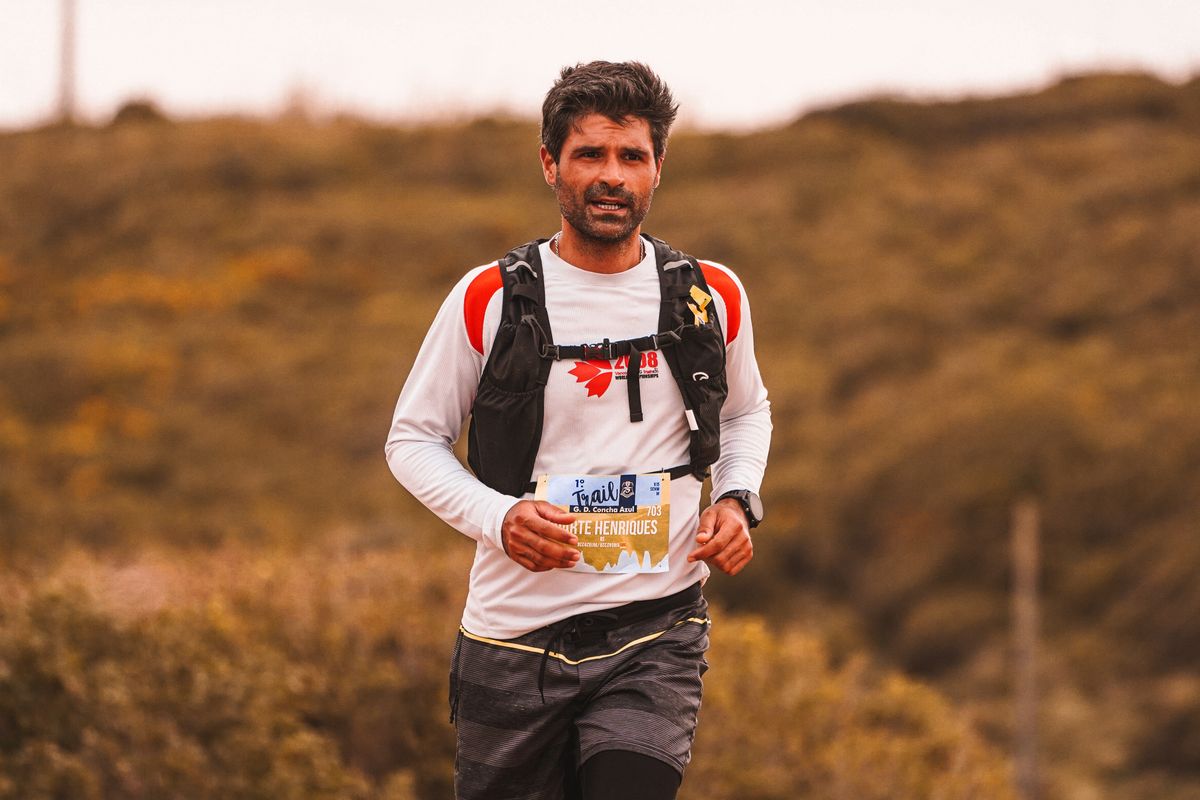 Running
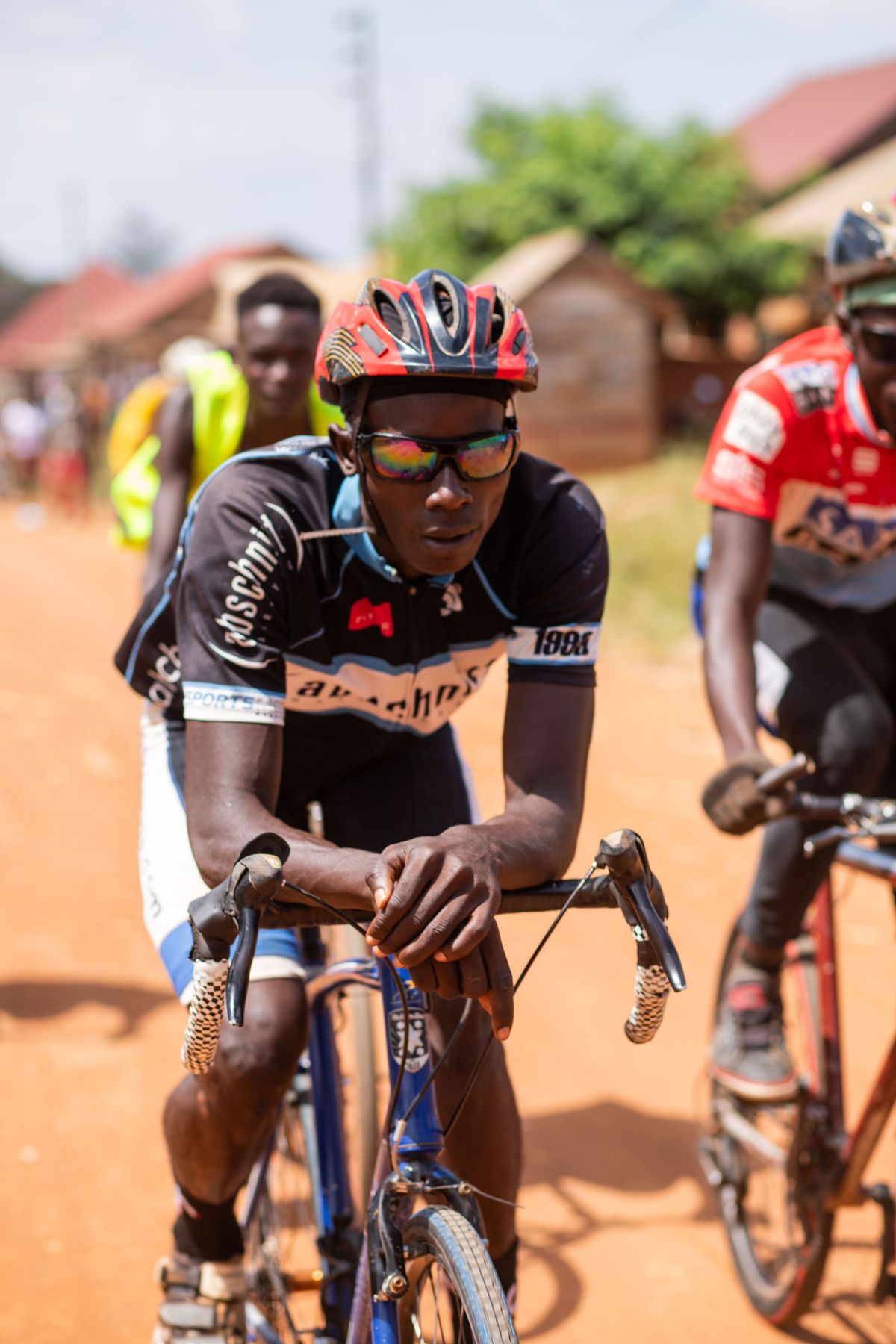 Cycling
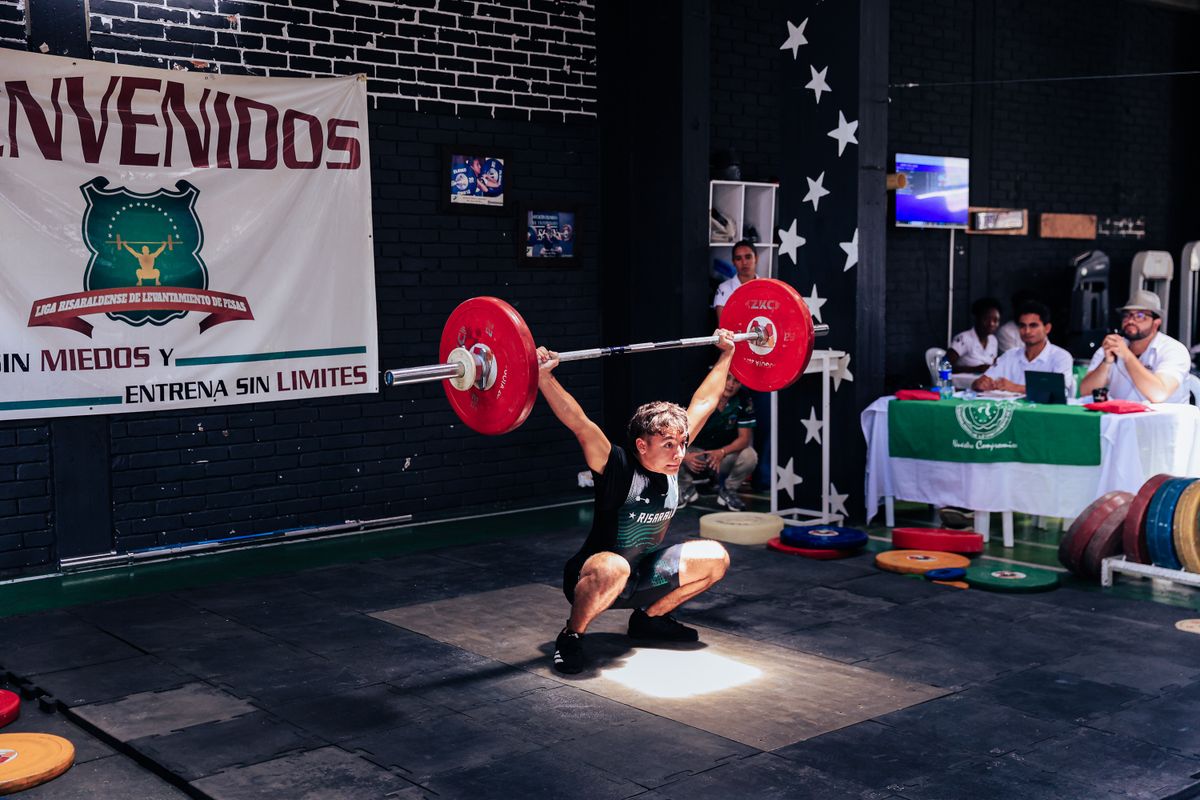 Olympic Lifting
Advanced Diagnosis. Non-Surgical Treatment. A Clear Path Back to Activity.
Achilles tendon pain can make the activities you enjoy increasingly difficult. Walking uphill, climbing stairs, running, jumping, hiking, or even taking the first steps in the morning may become painful.
At Sierra Spine & Fitness, we do more than treat the area that hurts. We work to identify which part of the tendon is involved, determine why it has become overloaded, and develop a plan to restore its ability to handle activity.
Our approach combines diagnostic musculoskeletal ultrasound, chiropractic and hands-on care, biomechanical assessment, non-surgical regenerative therapies, and progressive tendon rehabilitation. The goal is not simply to reduce your pain. It is to rebuild a stronger, more capable Achilles tendon so you can get back to what you enjoy.
What Is Achilles Tendinopathy?
The Achilles tendon connects the calf muscles to the heel bone. It stores and releases energy with every step and is exposed to particularly high forces during running, jumping, and climbing.
Achilles tendinopathy develops when the demands placed on the tendon exceed its current ability to recover and adapt. The tendon may become painful, thickened, stiff, and less tolerant of activity.
Although the condition is sometimes called Achilles tendinitis, persistent Achilles pain is often related to changes within the tendon rather than inflammation alone. For that reason, chronic cases are more accurately described as tendinopathy.
Common symptoms include:
- Pain or stiffness in the Achilles tendon
- Pain with the first steps in the morning
- Stiffness after sitting or resting
- Tenderness when the tendon is touched or squeezed
- Thickening or swelling of the tendon
- Pain during or after walking, hiking, or running
- Discomfort climbing stairs or walking uphill
- Pain with jumping or pushing off the foot
- Symptoms that improve after warming up but return later
- Reduced calf strength or endurance
Not All Achilles Tendinopathy Is the Same
The location of the tendon problem matters because it can change how the condition should be treated and rehabilitated.
Midportion Achilles Tendinopathy
Midportion tendinopathy typically affects the tendon several centimeters above the heel. The tendon may feel thickened, tender, or stiff, particularly after rest and during repetitive activity.
Insertional Achilles Tendinopathy
Insertional tendinopathy occurs where the Achilles attaches to the heel bone. It may be associated with compression of the tendon, calcification, bursitis, or a prominent area of bone at the back of the heel.
Exercises and stretches that are appropriate for midportion tendinopathy can sometimes aggravate insertional symptoms. This is one reason an accurate diagnosis is essential.
Achilles Tendon Tears
A partial tendon tear can sometimes resemble severe tendinopathy. A complete rupture may cause a sudden pop, marked weakness, bruising, or an inability to push off normally.
Suspected tears require prompt evaluation. Diagnostic ultrasound can help determine whether the tendon remains intact and whether referral for additional imaging or an orthopedic consultation is appropriate.
We Identify What Is Actually Involved Before Deciding How to Treat It
Pain near the back of the heel is not always caused by Achilles tendinopathy. Similar symptoms may arise from:
- Retrocalcaneal or superficial bursitis
- Partial Achilles tendon tears
- Calcification within the tendon
- Irritation where the tendon attaches to the heel
- Posterior ankle impingement
- Plantaris tendon involvement
- Referred pain or nerve irritation
- Other foot and ankle disorders
At Sierra Spine & Fitness, treatment begins with a detailed history and clinical examination. We assess the tendon, ankle, calf, foot, and the way you walk, squat, balance, and load the leg.
When appropriate, Dr. Roberts, DC uses diagnostic musculoskeletal ultrasound to examine the Achilles tendon and surrounding structures in real time. Ultrasound may help identify:
- Tendon thickening or degeneration
- Changes in tendon-fiber organization
- Partial tendon tears
- Calcific deposits
- Insertional abnormalities
- Fluid or inflammation within nearby bursae
- Changes in blood flow around the tendon
- Differences between symptomatic and unaffected tissue
Ultrasound findings are interpreted together with your examination and symptoms. Imaging alone does not determine treatment, but it can provide important diagnostic clarity and help us target care more precisely.
Better treatment starts with diagnostic certainty.
Why Did My Achilles Tendon Become Painful?
Achilles tendinopathy often develops when tendon demand increases faster than tendon capacity. Potential contributing factors include:
- A sudden increase in running, walking, or hiking
- Adding hills, speed work, or jumping
- Returning to activity after a period of inactivity
- Reduced calf strength or endurance
- Limited ankle mobility
- Changes in footwear or training surface
- Inadequate recovery between demanding activities
- Altered foot, ankle, knee, or hip mechanics
- Repetitive occupational loading
- Metabolic or medication-related factors that may affect tendon health
Sometimes the activity that triggered the pain is only part of the story. A successful treatment plan must address both the painful tissue and the reasons it was unable to tolerate the demands placed on it.
The Achilles Tendon Is Part of a Larger Movement System
The Achilles tendon is part of a larger movement system. The foot, ankle, knee, hip, and pelvis all influence how force travels through the leg.
Limited ankle motion, stiffness in the foot, reduced calf function, or altered lower-extremity mechanics may change how the Achilles tendon is loaded during walking, running, and exercise.
Chiropractic and hands-on care may be used to:
- Improve mobility in the foot and ankle
- Address mechanical restrictions in the lower extremity
- Improve calf and ankle function
- Reduce unnecessary compensations
- Help restore more efficient movement
- Make progressive rehabilitation more comfortable and effective
Hands-on treatment can help create better movement options, but it does not replace tendon loading. The Achilles must gradually regain the capacity to tolerate force.
Non-Surgical Technologies, Selected for Your Diagnosis
Sierra Spine & Fitness offers several non-surgical technologies that may be incorporated into care when appropriate. The therapies selected depend on the location of the problem, tissue findings, symptom irritability, and stage of recovery.
Focused shockwave delivers acoustic energy to a controlled treatment area and depth. It allows us to precisely target localized portions of the Achilles tendon, including selected insertional and calcific problems. Shockwave therapy is intended to stimulate biological activity, influence pain signaling, and support tissue remodeling—performed without incisions or injections.
Radial shockwave distributes mechanical energy through a broader, more superficial region. It may be used to treat the Achilles tendon, calf muscles, and surrounding tissues that influence ankle function. Depending on the examination and ultrasound findings, focused and radial shockwave may be used individually or together.
Extracorporeal Magnetotransduction Therapy uses rapidly changing electromagnetic fields to interact with tissue at the cellular level. EMTT is non-invasive and may be used alongside shockwave and rehabilitation for selected painful musculoskeletal conditions. Because it does not require forceful pressure over the tendon, it may be particularly useful when the area is sensitive.
Therapeutic red and infrared light energy may be used to support cellular activity, circulation, and the modulation of pain and inflammation. Laser therapy is comfortable and non-invasive, and may be incorporated into a broader plan to help reduce barriers to movement and progressive strengthening.
Technology Can Stimulate Tissue. Loading Teaches It What to Become.
Shockwave, EMTT, laser, chiropractic, and manual therapy may help create better conditions for recovery. But passive treatment alone cannot fully restore the Achilles tendon’s ability to tolerate walking, running, jumping, and sport. That requires progressive loading.
Your rehabilitation program may include:
- Isometric calf exercises for early loading
- Progressive calf raises
- Bent-knee and straight-knee calf strengthening
- Heavy, slow resistance training
- Foot and ankle strengthening
- Balance and coordination exercises
- Gradual energy-storage and plyometric exercises
- Walking, hiking, or running progression
- Sport- or activity-specific preparation
Loading is adjusted to the location and irritability of the tendon. For example, someone with insertional tendinopathy may initially need to avoid lowering the heel deeply below the forefoot because this can increase compression at the tendon’s attachment.
The objective is not to protect the tendon forever. It is to progressively build a tendon that can handle more.
Browse ankle & foot rehab protocolsDiagnose. Treat. Load. Adapt.
Our approach follows four connected steps:
Find the Problem
Identify the involved portion of the Achilles tendon and the mechanical, functional, and training factors contributing to the condition.
Create the Conditions for Recovery
Use the appropriate combination of chiropractic care, hands-on treatment, shockwave, EMTT, laser, activity modification, and other strategies.
Give the Tendon the Right Stimulus
Progressively restore calf strength, ankle mobility, foot control, coordination, and tolerance to load.
Build the Capacity to Do More
Prepare the tendon for the demands that matter to you—from comfortable daily walking to hiking, running, jumping, work, recreation, and sport.
See it. Treat it. Load it. Restore it.
Do I Have to Stop Being Active?
Complete rest is not always the best answer for Achilles tendinopathy. Rest may temporarily reduce symptoms, but it does not rebuild the tendon’s capacity.
In many cases, activity can be modified rather than eliminated. We may temporarily adjust your walking distance, running volume, hills, speed, jumping, or other aggravating activities while introducing a level of strengthening the tendon can tolerate. The goal is to find the right amount of load—not too much, but not zero.
How Long Does Achilles Tendinopathy Take to Improve?
Tendon recovery takes time. The timeline depends on how long the condition has been present, which portion of the tendon is involved, the degree of structural change, your current activity demands, and other health factors.
Some patients notice an early reduction in pain, but rebuilding tendon strength and resilience generally requires consistent, progressive loading over a longer period. We will explain what we find, establish realistic expectations, and guide your progression based on how your tendon responds.
Pain Relief Is Not the Finish Line
Pain relief is important. But it is not the finish line.
The real goal is to walk without guarding, climb hills confidently, return to the trail, resume running, or participate in your sport without constantly worrying about your Achilles.
At Sierra Spine & Fitness, we combine advanced diagnosis, non-surgical regenerative therapies, chiropractic care, and progressive rehabilitation to help you reduce pain, restore function, and build the capacity to do more.
Explore the technologies behind your care
Get recovery tips in your inbox
Monthly insights on injury recovery, regenerative therapies, and staying active — delivered straight from Sierra Spine & Fitness.
Schedule your evaluation today.
You do not need to decide whether you need ultrasound, shockwave, EMTT, laser, chiropractic care, or rehabilitation. That is our job. Your first step is a thorough evaluation—let’s find your answer.
582 Searls Ave, Nevada City, CA 95959
- Monday9:00am – 1:00pm, 2:00pm – 6:00pm
- Tuesday9:00am – 1:30pm
- Wednesday9:00am – 1:00pm, 2:00pm – 6:00pm
- ThursdayClosed
- Friday9:00am – 4:00pm
- Saturday & SundayClosed